
As we journey through November, our exploration of prioritisation takes us deeper into a crucial aspect of our lives: Stress Management. In the past weeks, we have navigated the realms of Time Management and Decision-Making, uncovering strategies to effectively manage our time and make informed decisions. This week, we shift our focus to an equally vital area – managing stress to maintain our mental and emotional well-being.
Understanding Stress in the Context of Prioritisation

Stress is an inevitable part of life, especially in our fast-paced, constantly connected world. However, how we manage stress significantly impacts our ability to function optimally in both our personal and professional lives. Prioritising stress management is not about eliminating stress entirely; instead, it’s about developing resilience and strategies to balance stress, ensuring it doesn’t overwhelm our capacity to think, decide, and act effectively.
Linking Stress Management with Time Management and Decision-Making
The skills we’ve been developing over the past weeks – Time Management and Decision-Making – play a critical role in stress management. Effective time management can significantly reduce the feeling of being overwhelmed, a common stressor for many. Likewise, confident decision-making reduces the anxiety and second-guessing that often accompanies difficult choices.
Strategies for Effective Stress Management
1. Mindfulness and Self-awareness: Cultivating mindfulness helps in recognizing early signs of stress. Practices like meditation, deep breathing, and mindful walking can create mental space, allowing you to respond to stressors more calmly and effectively.
2. Physical Activity and Relaxation Techniques: Regular physical activity, yoga, and relaxation techniques such as progressive muscle relaxation or guided imagery can greatly reduce stress levels.
3. Balanced Lifestyle Choices: A balanced diet, adequate sleep, and healthy social interactions are foundational in building resilience against stress.
4. Setting Realistic Goals: This ties back to our focus on time management. Setting achievable goals and breaking tasks into manageable steps can prevent the sense of being overwhelmed.
5. Embracing Flexibility in Decision-Making: As we learned in our exploration of decision-making, being flexible and adaptable in our choices can alleviate stress caused by rigid expectations and the pursuit of perfection.
6. Seeking Support: Don’t hesitate to reach out for support when needed. Whether it’s from friends, family, or a professional, getting a different perspective can be immensely helpful.
Implementing Stress Management into Daily Life
- Daily Stress-Management Routine: Incorporate short, daily stress-reduction activities into your routine. Even five minutes of deep breathing or a brief walk can make a difference.
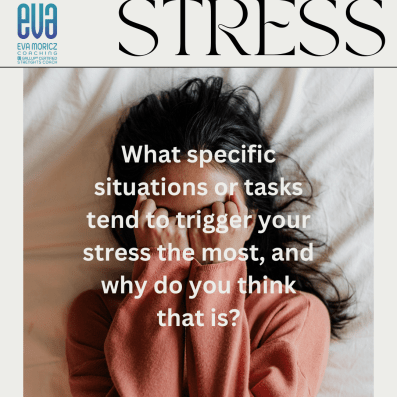
- Reflective Practice: Regularly reflect on your stress triggers and your responses. Understanding your stress patterns can help you in developing more effective coping strategies.
- Balance in Prioritization: Keep a balance between urgent tasks and those that contribute to long-term well-being. This approach prevents burnout and promotes sustained productivity and health.
As we continue our November journey, let’s commit to not only managing our tasks and decisions but also managing our stress and well-being. Share your experiences and strategies for stress management. Let’s learn and grow together in our pursuit of a balanced life.


 Eva Moricz Coaching