How Massage Can Improve Mental Health?

In today’s fast-paced world, mental health is as important as physical health, and finding effective ways to manage stress, anxiety, and other mental health challenges is crucial. Massage therapy, often regarded as a physical luxury, holds significant benefits for mental wellness too. Let’s delve into five ways massage can positively impact mental health.

1. Reducing Stress Levels

One of the primary benefits of massage therapy is its ability to reduce stress. Massage helps lower cortisol levels in the body, which is commonly known as the stress hormone. By decreasing cortisol, massage can alleviate feelings of anxiety and tension, leading to a more relaxed and calm state of mind.

2. Enhancing Mood

DALL·E 2024-01-24 01.21.48 - A tranquil massage room setting that evokes a sense of peace and relaxation. At the center, a massage table is draped with plush, inviting linens, wit

Massage therapy has been shown to boost mood by stimulating the production of serotonin and endorphins, the body’s natural feel-good hormones. These hormones play a vital role in regulating mood, promoting feelings of happiness and well-being. This mood enhancement is especially beneficial for those dealing with depression or anxiety.

3. The Power of Human Touch

The simple act of human touch during a massage can have profound effects on mental health. Touch is a natural way to reduce symptoms of depression and anxiety, providing comfort and a sense of connection. It’s a gentle, non-invasive way to promote emotional well-being.

4. Regulating the Nervous System

Massage therapy is effective in regulating the nervous system. It helps balance the sympathetic (fight or flight) and parasympathetic (rest and digest) responses, key to achieving a state of calm. This regulation can lead to lower heart rate and blood pressure, indicators of a relaxed nervous system.

5. Providing a Respite from the World

In our constantly connected world, massage therapy offers an opportunity to disconnect and find tranquility. This mental break is crucial in today’s busy life, providing a space for the mind to rest and rejuvenate.

Conclusion: A Path to Improved Well-being These benefits highlight the importance of considering massage therapy not just for physical relief but as a holistic approach to improving mental health. By addressing both the physical and emotional aspects, massage therapy can be a powerful tool in maintaining and enhancing overall well-being.

Here you can read about my January special massage offers and when you find the one that fits you here you can book your treatment.

The Realities of the Festive Season

As we enter the festive season, often filled with joyous gatherings, it’s essential to acknowledge that not everyone shares the same experience. Holidays can be tough. Financial struggles, mental health challenges, loneliness – these are realities many face, and reaching out for help can be incredibly difficult. I know this firsthand.

In recent months, my family and I have navigated our own set of challenges. As someone who’s always helping others, admitting I needed help was one of my hardest moments. But I learned it’s okay to ask for support, and it’s okay not to be okay.

🔄 Taking Steps Towards Wellness

Through support from family, friends, and professionals, I’ve been making progress. It’s a journey with ups and downs, with forward and sideways steps. But every step counts.

DALL·E 2023-12-17 04.58.58 - A cosy, inviting scene featuring a warmly lit room with a comfortable chair by a window. Outside the window, a peaceful winter landscape with gently f

🔹 Meeting Online: In our digital world, staying connected is crucial. Reach out, even if it’s hard. Try to connect with someone every day, even if it’s just a message or a call.

🔹 Stay Active: Go for a walk with a friend (physically or virtually), join an online yoga class, or meditate. Movement is a great mood booster.

🔹 Play Online: Engage in online games or quiz nights with family and friends. It’s a fun way to stay connected, regardless of distance.

🔹 Singing Together: Music and singing can be incredibly uplifting. Join in as you feel comfortable – sing, play an instrument, or simply listen.

🔹 Let It Go: Release the pressure of expectations. It’s fine if things aren’t perfect. What matters is doing what feels right for you, whether that’s resting, eating well, laughing, or just being.

Sharing our struggles and realizing we’re not alone in them is powerful. Listening, being present, and offering support are invaluable gifts we can give each other.

💬 I’d love to hear from you. What tips and techniques do you use to navigate the holiday season? Share in the comments below!

🌿 Reflecting on Our Month of Priorities: A Comprehensive Journey Towards Balanced Living 🌿

As November winds down, it’s time to pause and reflect on our enlightening journey through the multifaceted world of Priorities. This month has been an immersive exploration into how we align our daily lives with what truly matters, culminating in a deeper understanding of three integral areas:

📘 Time Management: The Foundation of Purposeful Living

We began our journey with a focus on time management, delving into how we can prioritize tasks effectively while balancing work, play, and self-care. We uncovered that effective time management is less about squeezing more activities into our days and more about ensuring that each hour reflects our true priorities. The techniques and strategies we explored aren’t just tools for productivity; they are stepping stones towards a more meaningful life.

📘 Decision-Making: Navigating Life’s Crossroads with Confidence

Our exploration then led us to the complex realm of decision-making. In a world brimming with choices and competing demands, we focused on how to discern and prioritize decisions that have the most significant impact on our lives. We armed ourselves with practical tools and psychological insights, empowering us to make choices that align with our deeper values and long-term goals. This process highlighted the power of intentional decision-making as a catalyst for personal and professional growth.

📘 Stress Management: Balancing the Scales of Mental and Emotional Health

Finally, we turned our attention to an often-overlooked aspect of prioritization: stress management. Recognizing that managing life’s tasks involves not just physical and intellectual effort but also emotional and mental resilience, we explored strategies to preserve our inner peace in the midst of life’s storms. From mindfulness techniques to practical stress-reduction methods, we learned how to maintain equilibrium, essential for our overall well-being.

As we approach the year’s end, the importance of focusing on our personal well-being becomes even more pronounced. The insights and practices we’ve shared this month are not merely for the short term. They are foundational elements for a sustainable and fulfilling life, guiding us in creating days that resonate with our deepest values and aspirations.

🌿 A Final Thought and a Coaching Question 🌿

3

As this month’s theme comes to a close, it’s crucial to ask ourselves: “What are the key lessons I have learned about prioritizing my time, decisions, and well-being? How can I integrate these lessons into my life as I move forward into the new year?”

Let’s step into the upcoming months with the wisdom and balance we’ve cultivated. Embracing the art of prioritization is not just a monthly theme; it’s a lifelong journey towards personal mastery and fulfillment.

Here’s to a reflective and purpose-driven end to the year, and to carrying these invaluable lessons forward into a promising future.

#Priorities #TimeManagement #DecisionMaking #StressManagement #PersonalWellbeing #EndOfYearReflection #LifeBalance

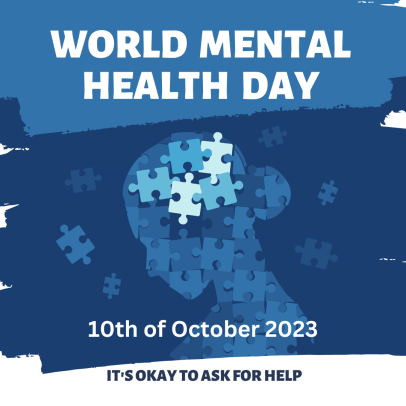
World Mental Health Day – October 10, 2023

Hello Everyone,

Today is World Mental Health Day, let’s come together to make mental health and wellbeing for all a global priority. The theme set by the World Federation for Mental Health is ‘making mental health and wellbeing for all a global priority,’ and it reminds us that taking care of our mental health is crucial. Remember, you are ‘Number 1’ when it comes to your mental wellbeing! 💚

To support this aim, I invite you to participate in a special coaching activity: ‘Mindful Me Challenge”

10th of October 2023

Let’s embark on a journey of self-care and self-discovery! Join us in the “Mindful Me Challenge” starting today until October 10th. Here’s how it works:

1️⃣ **Daily Affirmations**: Start your day with a positive affirmation. Share your daily affirmation in the comments to inspire others.

2️⃣ **30-Minute Mindfulness Session**: Dedicate at least 30 minutes every day to mindfulness meditation or a calming activity of your choice.

3️⃣ **Gratitude Journal**: Reflect on three things you’re grateful for each day. Share your daily gratitude in the comments.

4️⃣ **Self-Care Bingo**: Commit to one act of self-care every day, whether it’s a bubble bath, a walk in nature, or simply enjoying your favourite book. Contact me here and I will send you my self-care bingo to support you.

5️⃣ **Support a Friend**: Reach out to a friend or loved one, ask them how they’re feeling, and lend a listening ear.

Use the hashtag #MindfulMeChallenge and tag a friend to join you in this journey towards better mental health. Let’s create a supportive community and prioritize our well-being! Remember, it’s okay not to be okay, but it’s even better to take steps to become okay. 💪

Together, we can make a difference and help make mental health a global priority! 💙 Let’s spread love, kindness, and awareness. 🌟#WMHD2023 #MentalHealthMatters #YouMatter #SelfCare #WellbeingForAll

How to overcome imposter syndrome?

Overcoming imposter syndrome is a journey that involves self-reflection, mindset shifts, and practical strategies. Here are some approaches to help:

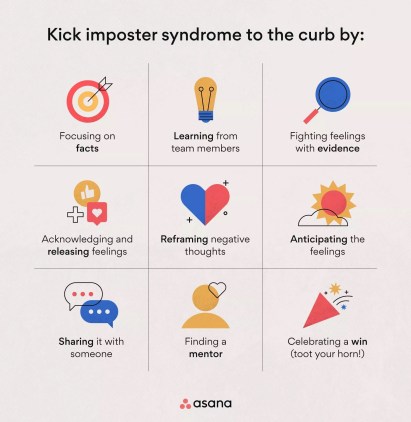
  1. Recognise and acknowledge your achievements: Take the time to reflect on your accomplishments and credit yourself for your hard work and skills. Keep a record of positive feedback, compliments, and achievements to remind yourself of your abilities.

inline-imposter-syndrome-2-2x

  1. Challenge negative self-talk: Pay attention to the negative thoughts and self-doubt that arise in your mind. Ask yourself if there is any evidence supporting these thoughts and challenge them with more rational and realistic perspectives. Practice self-compassion and remind yourself that everyone makes mistakes and experiences self-doubt at times.
  2. Seek support and share your feelings: Talk to trusted friends, mentors, or colleagues about your experiences with imposter syndrome. Sharing your feelings and concerns with others can provide reassurance and help you gain perspective. You may discover that many people can relate to your struggles.
  3. Set realistic expectations: Perfectionism often fuels imposter syndrome. Understand that it is normal to have areas for growth and improvement. Set realistic goals and focus on progress rather than aiming for unattainable perfection.
  4. Embrace learning and growth: Shift your mindset from a fixed mindset to a growth mindset. Embrace challenges as opportunities for learning and growth rather than fearing failure. View setbacks as valuable lessons and chances to improve.
  5. Celebrate small victories: Acknowledge and celebrate even the smallest achievements along your journey. This practice reinforces positive self-perception and builds confidence.

2

  1. Seek professional help if needed: If imposter syndrome significantly impacts your well-being and hinders your personal or professional life, consider seeking therapy, coaching or counselling. A mental health professional can help you explore underlying beliefs and develop coping strategies tailored to your needs.

Remember that overcoming imposter syndrome is a process that takes time and effort. Be patient with yourself and celebrate the progress you make along the way. With self-awareness, support, and a shift in mindset, you can gradually overcome imposter syndrome and embrace your true worth and capabilities.